This content is provided for educational and informational purposes only and is not intended to replace professional medical advice, diagnosis, or treatment. If you are experiencing sleep-related concerns, please consult with qualified healthcare professionals.
Table of Contents
Night Shift Sleep Statistics: Why Sleeping During the Day Is So Difficult
Night shift sleep statistics consistently show that working overnight is associated with shorter sleep duration, poorer sleep quality, and higher health risks compared to day work. Medical and occupational health research has repeatedly found that night-shift workers sleep one to four hours less per day on average, largely due to circadian misalignment and daytime sleep disruption. According to the CDC and NIH, the human biological clock is strongly programmed for nighttime sleep, making full adaptation to night work uncommon. These statistics help explain why fatigue, insomnia symptoms, and long-term health concerns are more prevalent among overnight workers. Understanding the data behind night-shift sleep is essential for employers, clinicians, and workers themselves.
How Common Is Night Shift Work?
Night shift work is far more widespread than many people realize. The U.S. Bureau of Labor Statistics reports that approximately 15–16% of full-time wage and salary workers regularly work non-daytime schedules, including evening, night, rotating, or split shifts. Healthcare, transportation, manufacturing, emergency services, and logistics account for a large proportion of overnight work. The CDC classifies night shift work as a significant occupational exposure because of its impact on sleep and circadian rhythm disruption. These figures mean that millions of adults are attempting to sleep during biologically inappropriate hours on a regular basis.
Average Sleep Duration for Night Shift Workers
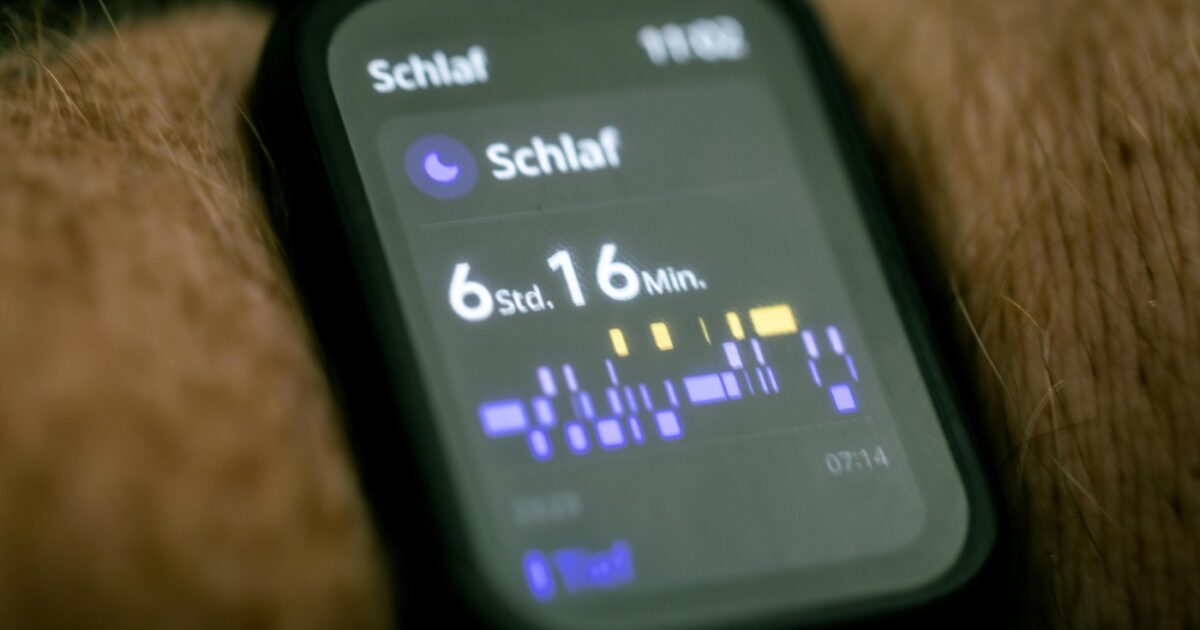
Medical sleep studies consistently show reduced total sleep time among night-shift workers. Research published via the NIH indicates that night-shift workers typically obtain 5 to 6 hours of sleep per 24-hour period, compared with the recommended 7 to 9 hours for adults. Daytime sleep is often lighter, more fragmented, and shorter due to environmental noise, light exposure, and social obligations. Even when time in bed is extended, physiological sleep efficiency is usually lower during the day. These sleep duration statistics help explain the chronic sleep debt seen in many night workers.
Source: National Institutes of Health (NIH), National Center for Biotechnology Information (NCBI) — https://www.ncbi.nlm.nih.gov/pmc/articles/PMC5449130/
Night Shift Work and Insomnia Rates
Insomnia symptoms are significantly more common among night-shift workers than day workers. Epidemiological studies referenced by the American Academy of Sleep Medicine show that 30–40% of shift workers report chronic insomnia symptoms, compared with approximately 10–15% in the general working population. Difficulty falling asleep during the day and maintaining consolidated sleep are the most frequently reported problems. Circadian misalignment, inconsistent schedules, and repeated sleep restriction contribute to these elevated insomnia rates. These statistics underscore why sleep disorders are a recognized occupational risk in shift-based industries.
Source: American Academy of Sleep Medicine (AASM) — https://aasm.org/shift-work-disorder/
Fatigue, Errors, and Safety Statistics
Night shift sleep loss has measurable effects on alertness and safety. The CDC reports that fatigue-related impairment after extended wakefulness can resemble alcohol intoxication in terms of reaction time and decision-making. Studies cited by NIOSH show higher rates of workplace accidents, medical errors, and transportation incidents during overnight hours. For example, nurses working night shifts have been shown to experience significantly higher rates of attention lapses compared to day-shift counterparts. These safety statistics highlight why sleep deprivation among night workers is considered a public health concern.
Source: CDC / NIOSH — https://www.cdc.gov/niosh/work-hour-training-for-nurses/longhours.html
Long-Term Health Risks Linked to Night Shift Sleep Loss
Long-term night shift work has been associated with increased risk of several chronic conditions. According to the CDC and NIH, shift workers show higher rates of cardiovascular disease, metabolic disorders, obesity, and type 2 diabetes. The World Health Organization has classified night shift work involving circadian disruption as a probable carcinogen, based largely on breast cancer research in long-term night workers. While causation is complex, sleep deprivation and circadian misalignment are considered key contributing mechanisms. These health statistics reinforce the importance of managing sleep as effectively as possible for those working nights.
Source: National Institutes of Health (NIH) — https://www.ncbi.nlm.nih.gov/pmc/articles/PMC5449130/
Why Full Circadian Adaptation Is Rare
Night shift sleep statistics also show that full adaptation to overnight schedules is uncommon. Research indicates that fewer than 25% of permanent night workers achieve complete circadian adjustment, even after months or years on the same schedule. Exposure to daylight on days off, rotating shifts, and social obligations continually pull the body clock back toward daytime alignment. As a result, many workers exist in a chronic state of partial jet lag. This explains why sleep problems often persist even in experienced night-shift employees.
Why These Statistics Matter
Medical night shift sleep statistics provide context for the lived experience of fatigue, insomnia, and reduced recovery reported by night workers. They also explain why sleep hygiene, light management, and schedule consistency are frequently emphasized in occupational health guidance. While individual experiences vary, population-level data consistently show that night work comes with measurable sleep and health challenges. Using credible statistics helps move discussions about night shift work away from personal failure and toward evidence-based understanding. For outreach and citation purposes, these findings are widely accepted across sleep medicine and public health.
This article is for general informational purposes only and is not medical advice. Always consult a qualified healthcare provider for guidance specific to your health needs.