Table of Contents
Night shift work demands more from your mind than most people realise. Working while everyone sleeps, flipping your circadian rhythm, navigating isolation, managing fatigue, and trying to maintain a normal life during daytime hours can quietly wear down your emotional health over time. But with the right habits, boundaries, and mindset, it is possible to protect your mental well-being and create a night shift routine that feels healthy, balanced, and sustainable.
This expanded, practical guide explores mental health tips for night shift workers, focusing on realistic strategies aligned with how the night shift actually feels — tired mornings, busy evenings, and the pressure to keep up when your body is begging for rest.
Why Night Shift Workers Need a Mental Health Strategy
Shift work disrupts your body’s natural rhythm, affecting hormones, mood, alertness, appetite, and stress regulation. Over time, this can lead to:
- Mood dips or irritability
- Fatigue that affects motivation
- Feelings of loneliness or isolation
- Anxiety before or during shifts
- Difficulty switching off after work
- Emotional burnout
These aren’t personal weaknesses — they are normal physiological and psychological responses to working against your internal clock. Understanding this removes blame and makes it easier to create supportive routines.
Prioritising Recovery Sleep for Emotional Stability
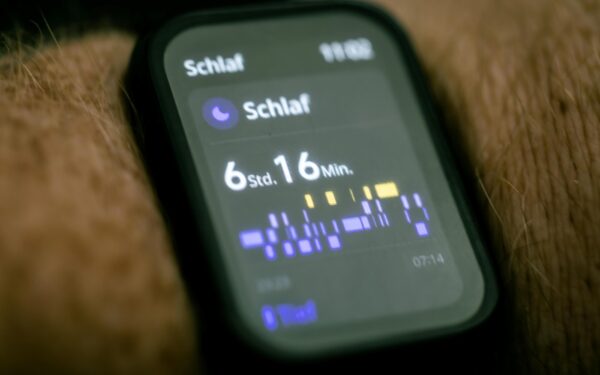
Sleep is the foundation of mental health, and night shift workers must treat rest as a non-negotiable priority.
Create a post-shift wind-down ritual
Your body needs a cue that your “day” is ending. This could include:
- A warm shower
- Light stretching
- A calming playlist
- A short journaling session
- A cup of herbal tea
- Blue-light blocking glasses
These small signals help your nervous system shift from alertness to recovery mode.
Make your sleep environment a sanctuary
Because daytime sleep is easily disrupted, optimise whatever you can:
- Use blackout curtains
- Wear an eye mask
- Keep the room cool
- Use white noise to block daytime sounds
- Let others know your “do not disturb” hours
The better your sleep quality, the more emotionally resilient you become.
Structuring Your Day to Reduce Mental Overload
Night shift removes structure from life, and that lack of structure often causes anxiety or low mood. Creating anchors in your day helps your mind feel grounded.
Keep consistent wake and sleep windows
Even on days off, stick loosely to your routine so your brain isn’t constantly flipping time zones.
Limit major responsibilities after a shift
Your cognitive performance and emotional regulation are lowest after a night shift. Save tasks for after rest when possible.
Schedule small, consistent rituals
- A daily walk
- A pre-shift coffee moment
- A mid-shift stretch break
- A brief morning routine before bed
These routines create steadiness in an otherwise irregular schedule.
Maintaining Strong Social Connections
Loneliness is one of the biggest mental health challenges for night workers. The world operates on daytime hours, and you often feel out of sync with friends and family.
Set predictable social times
Whether it’s brunch after waking up, a call before your shift, or one consistent weekly meetup, planned connection makes a big difference.
Communicate your availability
Help your circle understand:
“I sleep from X to X, but I’m free at these times.”
People can support you better when they know your rhythm.
Use micro-connections
Even short 10–15 minute interactions throughout the week help maintain emotional well-being.
Supporting Your Mental Health Through Nutrition
Stable nutrition has a real impact on mood, emotional stability, and stress tolerance — especially when working nights.
Eat balanced meals throughout your shift
Prefer slow-release foods such as:
- Oats
- Whole grains
- Protein-rich snacks
- Nuts
- Greek yogurt
- Lean meats
These help maintain steady energy and reduce mood swings.
Stay hydrated
Dehydration worsens irritability and fatigue. Sip water steadily instead of downing large amounts at once.
Avoid heavy, greasy meals at 3–5am
This is the time when digestion slows. Big meals at this hour can cause sluggishness, anxiety spikes, or post-meal crashes.
Using Light, Movement, and Breaks to Protect Your Mood
Get outdoor daylight on days off or after waking
Daylight regulates dopamine, serotonin, and melatonin — three key players in mood and sleep.
Even 10–15 minutes helps reset your internal clock.
Incorporate gentle movement
You don’t need intense workouts. Light exercise improves mood, stress regulation, and sleep quality.
Great options include:
- Walking
- Yoga
- Resistance bands
- Bodyweight exercises
Use breaks wisely
Short breathing exercises or body stretches reduce accumulated tension and help you stay centred.
Setting Boundaries to Avoid Burnout
Night shift workers often feel pressure to be “available” during the day — for errands, family, or appointments — even when you should be sleeping.
Protect your rest without guilt
People who work daytime hours would never be expected to run errands at 2am — the same logic applies to you.
Communicate clearly
“Those hours are my sleep time, so I’ll need to do it later.”
Say no when needed
Burnout often comes from meeting everyone else’s expectations while ignoring your own limits.
Recognising When Your Mental Health Needs Extra Support
Watch for these signs that night shift is affecting your emotional well-being:
- Persistent anxiety
- Struggling to enjoy things you used to like
- Feeling disconnected from others
- Trouble concentrating
- Emotional numbness
- Constant exhaustion even after rest
If these symptoms persist, speak with a professional. This isn’t weakness — it’s maintenance, like caring for your physical health.
Final Thoughts: You Deserve Stability, Support, and Wellness
Working nights doesn’t mean sacrificing your mental health. With thoughtful routines, supportive boundaries, better sleep hygiene, and intentional connection, you can build a night-shift lifestyle that is emotionally sustainable and even rewarding. Mental well-being isn’t a luxury for night workers — it’s a necessity that helps you stay balanced, grounded, and strong.